
Power safety check

Generators, fuel, heaters, batteries, and high-load devices can create fire, carbon monoxide, shock, and ventilation risks. Follow manufacturer manuals, local codes, and official safety guidance before use.

Off-Grid

Going Off-Grid in a Heat Dome? Your Panels Lose 15% Right When You Need Them Most.

Shade, DC fans, 12V fridges, and the solar derating nobody mentions. The off-grid cooling energy budget, graded honestly for 100-degree weeks.

Quick Answer

With the heat dome arriving over the West on July 6 and season-high heat forecast for Phoenix, Vegas, and Palm Springs, off-grid cooling comes down to an energy budget with a strict order. Shade first because it is free, airflow second because it is cheap watts, refrigeration third because it is real watts, and compressor air conditioning last because it is heavy watts. Test that loop this weekend, while the West still has lead time: panel to battery to fan and fridge, before it is an emergency. A USB or 12-volt fan runs all night on 100 to 200 watt-hours. A 12-volt fridge cycles 500 to 800 watt-hours a day. And one number nobody advertises: solar panels produce 10 to 20 percent below rating in extreme heat, right when you need them most, so oversize the array and keep the battery shaded.

Confidence: high

Key Points:

  • Order of operations: shade, airflow, refrigeration, then and only then compressor cooling.
  • Panels derate 10 to 20 percent in extreme heat and batteries age fast above 95 degrees: shade the battery like it is a person.
  • A 12V fan runs a full night on 100-200 Wh; a 12V fridge runs about 500-800 Wh a day.
  • DC-direct loads skip inverter losses: a 12V fan or fridge does more cooling per watt-hour than the same load through an inverter.
  • Test the loop this weekend, while the West still has lead time. A dry run beats a live one.
  • Confidence: high

Last updated: 2026-07-04

Off-Grid Cooling Mistakes the Desert Teaches

Solar in a heat wave is reliable if you respect four things. Ignore them and the system fades exactly at peak need.

Battery staged in direct sun

Lithium batteries degrade fast in sustained heat, and hot cells also charge less efficiently. The battery cooking next to the panel is the classic self-defeating setup.

Better approach: Panels in the sun, battery in deep shade with airflow: under the rig, in a shaded box, or indoors with cables run out. Shade the battery like it is a person.

Running small DC loads through a big inverter

An inverter idling to power a 5-watt USB fan can waste more than the fan itself uses. Conversion losses compound across a long, hot day.

Better approach: Use native DC and USB outputs for fans, lights, and phones. Save the inverter for loads that genuinely need AC power, and shut it off when nothing does.

No shade structure in the plan

People budget watts for cooling while their living space absorbs full radiant load, which is buying back with electricity what a tarp blocks for free.

Better approach: Tarp, shade cloth, or awning over the living and battery areas first. Every degree of prevented gain is watt-hours you do not have to generate that afternoon.

Expecting air conditioning from a small station

Compressor cooling on batteries is a math-heavy project: thousands of watt-hours per day, doubled panel capacity, and careful insulation.

Better approach: Buy fans-and-fridge capability first and get it working. Treat battery-powered AC as a designed upgrade with its own budget, not an impulse purchase off a scary sales page.

What We Like

  • Silent, fuel-free, and safe near living spaceNo exhaust, no fuel runs during a regional event, no generator noise at 2 am.
  • Recharges during the exact peak-heat hoursThe same sun driving the heat dome is refilling your battery for the night shift.
  • Daily-use value between emergenciesCamping, tailgates, workshop power: the system earns its keep in normal life, not just crises.

What Could Be Better

  • Upfront cost is realA meaningful loop of panel, battery, fan, and fridge runs several hundred dollars and up.
  • Heat derates the hardwarePanels lose 10 to 20 percent and batteries age faster in extreme heat, so honest sizing includes margin.
  • Sizing homework is unavoidableWatt-hours in versus watt-hours out is arithmetic, and skipping it is how systems disappoint at the worst moment.

Off-Grid Cooling: The Practical Questions

If you would rather not size it yourself

Matching panels to a battery and your real loads is arithmetic most people put off until it is an emergency. If you would rather skip the math, Grid Doctor bundles pair panels with batteries so the sizing is already done, from a fans-and-phones starter to fridge-capable systems, at holiday-week pricing. A shortcut, not the only way, and the DIY loop above still works fine.

See bundle options

We may earn a commission if you buy through our link. This does not affect our recommendations.

Top off-grid products from the 2026 report

Reader-supported recommendations

PrepperDirect may earn a commission when you buy through links on this site. Recommendations are independent and framed around readiness fit, tradeoffs, and practical use.

BigBlue SolarPowa 28 product photo

USB solar charging panel

BigBlue SolarPowa 28

Editor's Choice
4.9

~$70

USB solar charging panel

Prepper take

BigBlue SolarPowa 28 is strongest when uSB solar charging panel. Buy it if pairs well with a power bank or small station to flatten bad weather; skip it if real output always trails the perfect-day marketing numbers.

Strengths

  • USB solar charging panel
  • Phone charging during outages

Weaknesses

  • real output always trails the perfect-day marketing numbers

Opportunities

  • pairs well with a power bank or small station to flatten bad weather

Threats

  • shade, clouds, and bad cable choices wreck the experience
Check Price
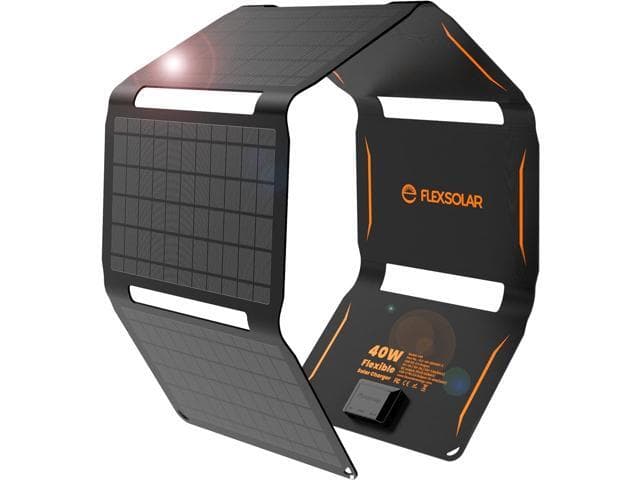
FlexSolar 40W product photo

Higher-watt foldable solar panel

FlexSolar 40W

Best Value
4.8

~$105

Higher-watt foldable solar panel

Prepper take

FlexSolar 40W is strongest when higher-watt foldable solar panel. Buy it if pairs well with a power bank or small station to flatten bad weather; skip it if real output always trails the perfect-day marketing numbers.

Strengths

  • Higher-watt foldable solar panel
  • Recharging small power stations

Weaknesses

  • real output always trails the perfect-day marketing numbers

Opportunities

  • pairs well with a power bank or small station to flatten bad weather

Threats

  • shade, clouds, and bad cable choices wreck the experience
Check Price
BioLite SolarPanel 10+ product photo

Solar panel with battery integration

BioLite SolarPanel 10+

Most Popular
4.7

~$150

Solar panel with battery integration

Prepper take

BioLite SolarPanel 10+ is strongest when solar panel with battery integration. Buy it if pairs well with a power bank or small station to flatten bad weather; skip it if real output always trails the perfect-day marketing numbers.

Strengths

  • Solar panel with battery integration
  • Device charging buffer

Weaknesses

  • real output always trails the perfect-day marketing numbers

Opportunities

  • pairs well with a power bank or small station to flatten bad weather

Threats

  • shade, clouds, and bad cable choices wreck the experience
Check Price
Goal Zero Nomad 13 product photo

Portable solar panel

Goal Zero Nomad 13

4.6

~$150

Portable solar panel

Prepper take

Goal Zero Nomad 13 is strongest when portable solar panel. Buy it if pairs well with a power bank or small station to flatten bad weather; skip it if real output always trails the perfect-day marketing numbers.

Strengths

  • Portable solar panel
  • Proven brand option

Weaknesses

  • real output always trails the perfect-day marketing numbers

Opportunities

  • pairs well with a power bank or small station to flatten bad weather

Threats

  • shade, clouds, and bad cable choices wreck the experience
Check Price
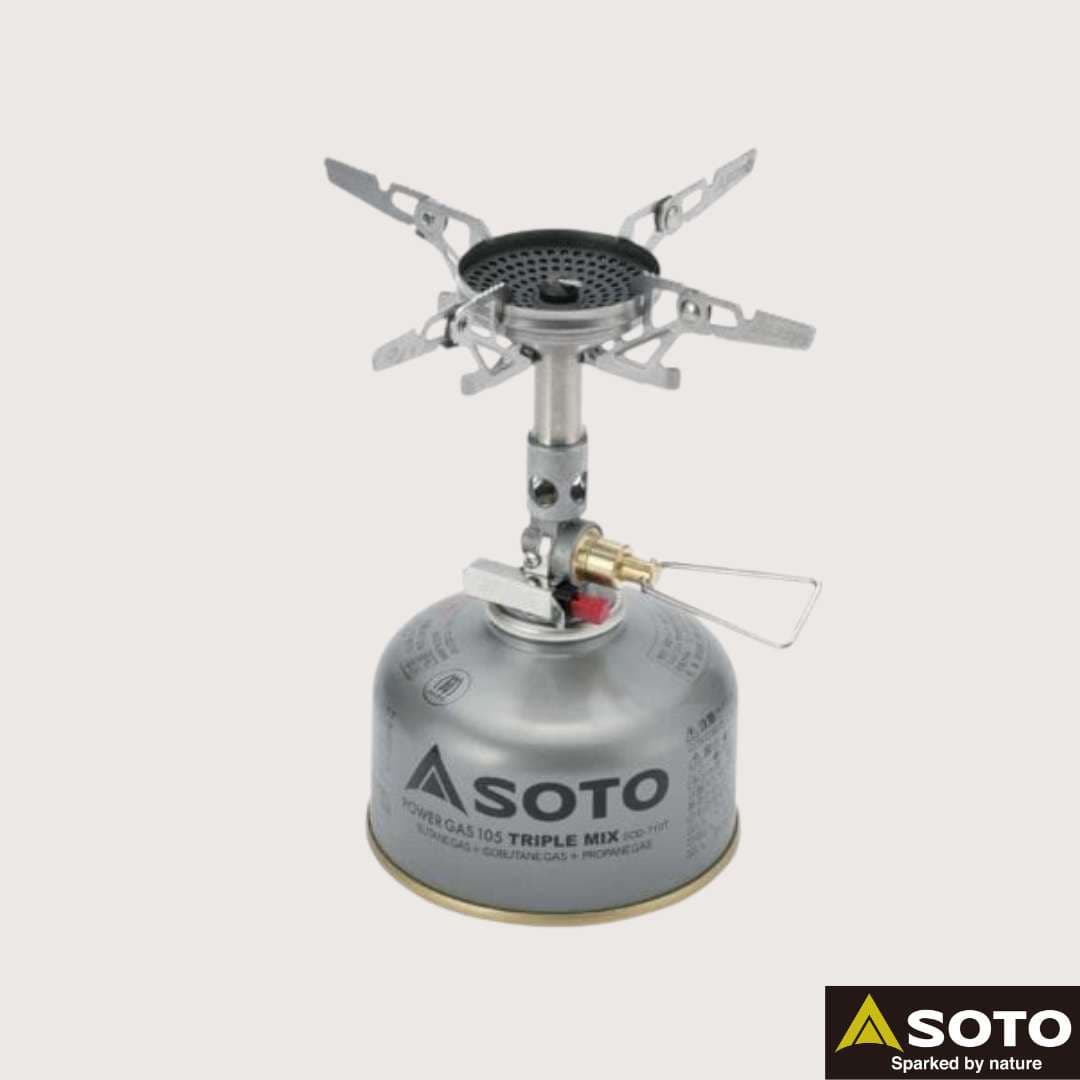
Soto Windmaster stove product photo

Fast boil with wind resistance

Soto Windmaster stove

4.5

~$70

Fast boil with wind resistance

Prepper take

Soto Windmaster stove is strongest when fast boil with wind resistance. Buy it if excellent for bug-out bags, car kits, and no-power kitchen backup; skip it if fuel canisters become the real constraint, not burner performance.

Strengths

  • Fast boil with wind resistance
  • No-power cooking in a small kit

Weaknesses

  • fuel canisters become the real constraint, not burner performance

Opportunities

  • excellent for bug-out bags, car kits, and no-power kitchen backup

Threats

  • indoor use mistakes can create carbon monoxide and fire problems fast
Check Price

Disclaimer: This content is for informational purposes only. We make no guarantees about the accuracy or completeness of any recommendations.

Affiliate Disclosure: PrepperDirect participates in affiliate programs. If you buy through our links, we may earn a commission at no extra cost to you. We only recommend products we believe in.