Power safety check

Generators, fuel, heaters, batteries, and high-load devices can create fire, carbon monoxide, shock, and ventilation risks. Follow manufacturer manuals, local codes, and official safety guidance before use.

Shelter & Warmth

AC Died at 100 Degrees. Here's the One-Room Plan That Keeps You Sleeping.

The cool-room doctrine: day-seal, night-flush, radiant blocking, and evaporative cooling that works in dry Western heat but not humid Eastern air.

Quick Answer

With more than 200 million Americans under extreme heat this week and the dome heading for the dry West on July 6, the winning move is the same everywhere: defend one room instead of fighting for the whole house. Pick the lowest, most shaded, north-facing room you have, and start sealing it now, before the afternoon sun loads the walls. By day, seal it: reflective material on the windows, blackout layers, doors closed, no cooking. At night, once outside air drops below inside, flush hard: one fan exhausting hot air high on the leeward side, another pulling cool air in low on the windward side. One climate-honest note this week: damp-sheet and wet-bandana tricks work well in the dry heat building over the West and poorly in the humid air the East just sweated through, where airflow, cold water, and ice do the real work.

Confidence: high

Key Points:

  • Day-seal, night-flush is the whole rhythm: block radiant heat while the sun is up, ventilate hard once outside beats inside.
  • Blocking sun at the window matters more than fan speed. Stop the heat before it becomes indoor heat.
  • Humidity decides evaporative cooling: strong in the dry West, weak in the humid East. A $10 hygrometer settles it.
  • Sleep low: heat stratifies, and floor level in the cool room can run several degrees cooler than a bed upstairs.
  • Above about 80 degrees overnight, sleep and recovery suffer, so that is the number to beat in the cool room.
  • Confidence: high

Last updated: 2026-07-04

Cooling Moves by Climate, Honestly Graded

MoveDry heat (West, week of July 6)Humid heat (East, this week)
Damp sheet or wet skin + fanStrong: evaporation works hard in dry airWeak to moderate: air is already saturated
Night flush ventilationStrong: desert nights drop hardModerate: muggy nights give back less
Reflective window blockingStrongStrong: radiant load is radiant load
Ice + fan over a panGood for a person-sized zoneGood, short bursts: refreeze cycle is the limit

How People Heat Their Own Houses

Most DIY cooling failures are timing failures. The physics is patient and unforgiving.

Windows open all day for the breeze

Afternoon air at 100 degrees is a heat delivery system. The breeze feels like relief while it loads the house with heat that radiates back all night long.

Better approach: Sealed and shaded during the day. Ventilation belongs to the night shift, once the outdoor number actually drops below the indoor one, which a thermometer confirms.

Fans blowing in hot afternoon air

A fan in a sunny window at 3 pm is importing the problem at 100 cubic feet per minute, heating the room it is supposed to cool.

Better approach: Daytime fans point at people. Window fans wait for the flush window: exhaust high and hot, intake low and cool, doors propped along the path.

Cooking indoors during the peak

An oven dumps a massive heat load directly into your defended space, and a stovetop is not much better during the hottest hours.

Better approach: No-cook meals, an outdoor grill in shade, or cook in the early morning. Heat-wave menus are their own small preparedness category worth planning.

Forgetting vertical position

Upstairs bedrooms can run 10 to 15 degrees hotter than a ground floor or basement, and people defend the room they are used to instead of the coolest one.

Better approach: Take a thermometer on a tour of the house at 5 pm. Sleep where the number says, even if that means mattresses on a floor for a week.

Cool Room Questions From Real Hot Weeks

If you would rather stock the cool room in one order

You can gather no-cook food, water storage, lighting, and shelter basics across several stores, but that is a few trips. If you would rather grab the supporting cast in one order, a single storefront carries the lot at holiday-week pricing. Stock the room once, then let the doctrine above do the work. A shortcut, not the only way.

Shop the store

We may earn a commission if you buy through our link. This does not affect our recommendations.

Top shelter-warmth products from the 2026 report

Reader-supported recommendations

PrepperDirect may earn a commission when you buy through links on this site. Recommendations are independent and framed around readiness fit, tradeoffs, and practical use.

Nemo Tensor All-Season Ultralight Insulated product photo

Insulation from the ground plus comfort

Nemo Tensor All-Season Ultralight Insulated

Editor's Choice
4.9

~$220

Insulation from the ground plus comfort

Prepper take

Nemo Tensor All-Season Ultralight Insulated is strongest when insulation from the ground plus comfort. Buy it if pair it with a cot or tent to turn marginal sleep into survivable sleep; skip it if puncture risk and inflation management come with the performance.

Strengths

  • Insulation from the ground plus comfort
  • Cold-weather layering support

Weaknesses

  • puncture risk and inflation management come with the performance

Opportunities

  • pair it with a cot or tent to turn marginal sleep into survivable sleep

Threats

  • one leak can crush the whole setup if you skip repair planning
Check Price
Therm-a-Rest NeoAir XTherm NXT product photo

High R-value insulation

Therm-a-Rest NeoAir XTherm NXT

Best Value
4.8

~$240

High R-value insulation

Prepper take

Therm-a-Rest NeoAir XTherm NXT is strongest when high R-value insulation. Buy it if pair it with a cot or tent to turn marginal sleep into survivable sleep; skip it if puncture risk and inflation management come with the performance.

Strengths

  • High R-value insulation
  • Serious cold weather system

Weaknesses

  • puncture risk and inflation management come with the performance

Opportunities

  • pair it with a cot or tent to turn marginal sleep into survivable sleep

Threats

  • one leak can crush the whole setup if you skip repair planning
Check Price
Coleman Pack-Away Cot product photo

Off-ground sleeping

Coleman Pack-Away Cot

Most Popular
4.7

~$111

Off-ground sleeping

Prepper take

Coleman Pack-Away Cot is strongest when off-ground sleeping. Buy it if great fit for garages, spare rooms, and longer indoor outages; skip it if bulk makes it a bug-in or vehicle tool, not a light bug-out choice.

Strengths

  • Off-ground sleeping
  • Mobility limitations support

Weaknesses

  • bulk makes it a bug-in or vehicle tool, not a light bug-out choice

Opportunities

  • great fit for garages, spare rooms, and longer indoor outages

Threats

  • without an insulated pad, cots can sleep colder than people expect
Check Price
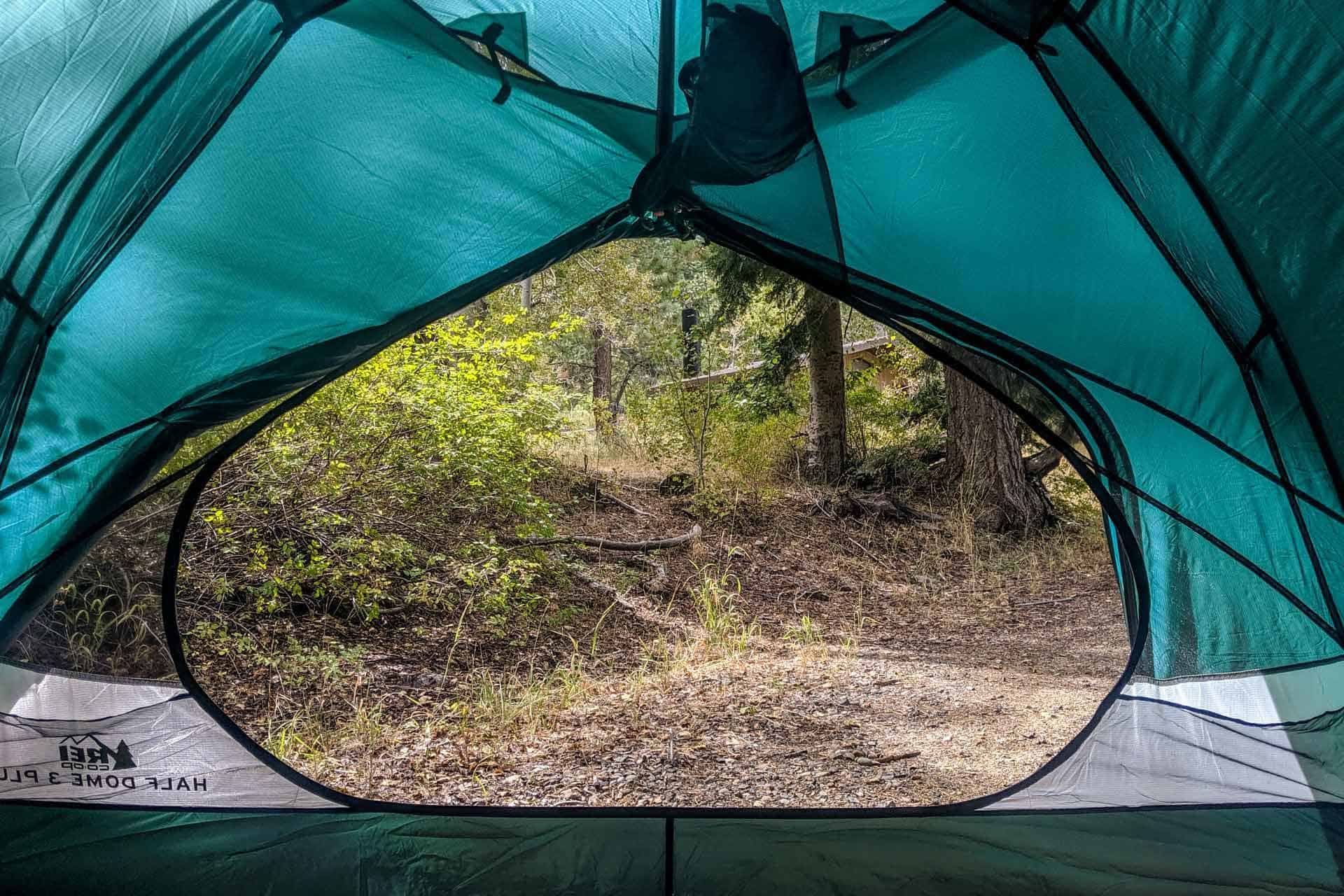
REI Co-op Half Dome 3 product photo

Family or 3-person shelter

REI Co-op Half Dome 3

4.6

Price varies

Family or 3-person shelter

Prepper take

REI Co-op Half Dome 3 is strongest when family or 3-person shelter. Buy it if usable outdoors or indoors as a room-within-a-room during outages; skip it if a tent alone is not a warmth system.

Strengths

  • Family or 3-person shelter
  • Bug-out shelter option

Weaknesses

  • a tent alone is not a warmth system

Opportunities

  • usable outdoors or indoors as a room-within-a-room during outages

Threats

  • condensation, site choice, and wind still decide comfort
Check Price

Disclaimer: This content is for informational purposes only. We make no guarantees about the accuracy or completeness of any recommendations.

Affiliate Disclosure: PrepperDirect participates in affiliate programs. If you buy through our links, we may earn a commission at no extra cost to you. We only recommend products we believe in.