Medical training note

First aid content is educational and does not replace qualified medical training, emergency services, or clinician guidance. Practice skills with reputable instructors before relying on them under pressure.

Medical

After the Flood: Sanitation, Waterborne Illness, and Beating Mold in 48 Hours

After a flood: sewage cleanup, waterborne illness, wound care in dirty water, and stopping mold in the 24-to-48-hour window.

Quick Answer

The dangerous part of a flood often starts after the water leaves. Everything the water touched should be treated as contaminated with sewage and chemicals, and mold can begin growing in wet materials within 24 to 48 hours. Move fast: get the water out, open the house up and run fans and dehumidifiers to dry it, and throw out porous items that soaked, like carpet, drywall bottoms, mattresses, and upholstered furniture. Wear rubber gloves, boots, and eye protection, and keep any open cut out of floodwater or covered and clean, because a small wound in dirty water can turn into a serious infection. If you develop diarrhea, fever, or a wound that gets red and hot, call a clinician. This is a page to read before the water recedes, not while you are standing in it.

Confidence: high

Key Points:

  • Treat everything the flood touched as contaminated with sewage. Gloves, boots, and eye protection before you start.
  • Mold begins in 24 to 48 hours. Dry the house aggressively with airflow and dehumidifiers, and toss porous items that soaked.
  • Keep open wounds out of floodwater. A cut in dirty water can become a serious infection; watch for redness, swelling, and heat.
  • Waterborne illness shows as diarrhea, vomiting, and fever. Hydrate with safe water, and call a clinician if it is severe or persistent.
  • Confidence: high

Last updated: 2026-07-04

The Cleanup Mistakes That Extend a Flood for Months

The flood is a day. A bad cleanup is a season of mold, illness, and rework. These are the four that do the most damage.

Cleaning up with bare hands and open cuts

Floodwater and flood mud carry sewage, bacteria, and chemicals. A scrape exposed to it can become cellulitis or worse, and a puncture raises tetanus risk if you are not current.

Better approach: Wear waterproof gloves, boots, and eye protection. Cover any cut with a waterproof bandage, wash exposed skin with clean soap and water afterward, and check that your tetanus shot is within ten years.

Letting wet materials sit before drying

Mold colonizes damp drywall, carpet, and wood within 24 to 48 hours. Waiting for insurance or a free weekend to start drying hands the house to mold.

Better approach: Start drying immediately: pump and mop the water out, open windows if the air outside is drier, and run fans and a dehumidifier around the clock. Speed in the first two days decides whether you have a cleanup or a remediation.

Trying to save soaked porous items

Carpet, carpet pad, mattresses, upholstered furniture, and the lower few feet of drywall and insulation that sat in floodwater hold sewage and mold that surface cleaning cannot reach.

Better approach: Cut them out and discard them. Remove drywall and insulation to above the waterline. Hard, non-porous surfaces can be cleaned and disinfected; soft, soaked ones are usually a loss, and keeping them risks your air.

Treating a big mold job as a bleach-and-a-rag job

A large mold footprint, roughly more than about ten square feet, or mold in the HVAC system, is beyond a spray bottle and can make cleanup crews sick without proper protection.

Better approach: Handle small, hard-surface spots yourself with detergent, water, and drying. For large areas, HVAC involvement, or anyone in the home with asthma or a weak immune system, bring in a professional remediation service.

After-Flood Health and Cleanup Questions

Done-for-you: the first-aid and sanitation base for cleanup

A stocked first-aid kit plus sanitation supplies keeps the wound care and hygiene basics on hand before you start pulling out wet material. Emergency Essentials carries first-aid, sanitation, and cleanup supplies, and their Independence Day sale runs through July 6. Add the flood-specific items above and you are set for the cleanup.

See the sale (ends July 6)

We may earn a commission if you buy through our link. This does not affect our recommendations.

Top medical products from the 2026 report

Reader-supported recommendations

PrepperDirect may earn a commission when you buy through links on this site. Recommendations are independent and framed around readiness fit, tradeoffs, and practical use.

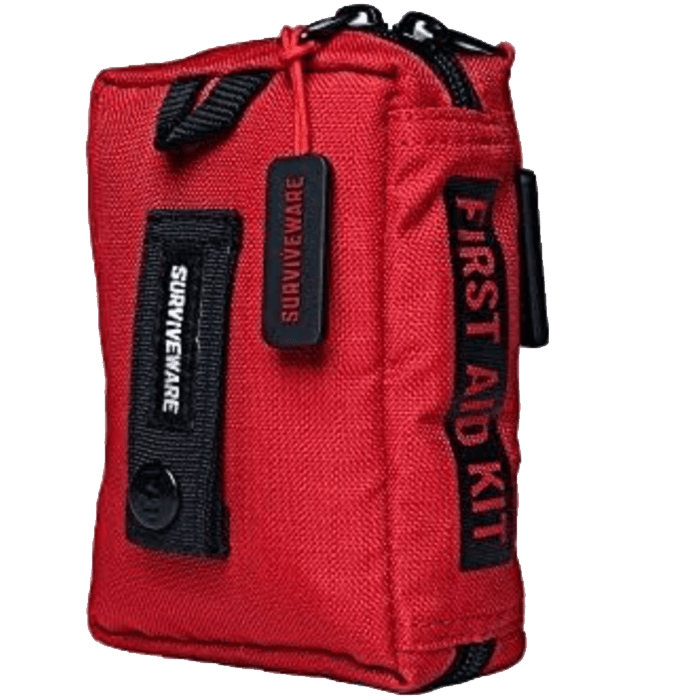
Surviveware Small product photo

General first aid baseline kit

Surviveware Small

Editor's Choice
4.9

~$75

General first aid baseline kit

Prepper take

Surviveware Small is strongest when general first aid baseline kit. Buy it if best when you customize it for your people, prescriptions, and vehicles; skip it if no off-the-shelf kit replaces training or household-specific medications.

Strengths

  • General first aid baseline kit
  • Car kit starter

Weaknesses

  • no off-the-shelf kit replaces training or household-specific medications

Opportunities

  • best when you customize it for your people, prescriptions, and vehicles

Threats

  • heat, moisture, and expired adhesives quietly degrade kits you never inspect
Check Price
Adventure Medical Kits Mountain Series Hiker product photo

Hiking-focused kit

Adventure Medical Kits Mountain Series Hiker

Best Value
4.8

~$30

Hiking-focused kit

Prepper take

Adventure Medical Kits Mountain Series Hiker is strongest when hiking-focused kit. Buy it if easy to duplicate across multiple kits without blowing the budget; skip it if compact kits run out of depth quickly once an injury gets messy.

Strengths

  • Hiking-focused kit
  • Add-on to home kit

Weaknesses

  • compact kits run out of depth quickly once an injury gets messy
  • no off-the-shelf kit replaces training or household-specific medications

Opportunities

  • easy to duplicate across multiple kits without blowing the budget
  • best when you customize it for your people, prescriptions, and vehicles

Threats

  • heat, moisture, and expired adhesives quietly degrade kits you never inspect
Check Price
Adventure Medical Kits Ultralight/Watertight .7 product photo

Compact kit for bags

Adventure Medical Kits Ultralight/Watertight .7

Most Popular
4.7

~$45

Compact kit for bags

Prepper take

Adventure Medical Kits Ultralight/Watertight .7 is strongest when compact kit for bags. Buy it if easy to duplicate across multiple kits without blowing the budget; skip it if compact kits run out of depth quickly once an injury gets messy.

Strengths

  • Compact kit for bags
  • Lightweight baseline

Weaknesses

  • compact kits run out of depth quickly once an injury gets messy
  • no off-the-shelf kit replaces training or household-specific medications

Opportunities

  • easy to duplicate across multiple kits without blowing the budget
  • best when you customize it for your people, prescriptions, and vehicles

Threats

  • heat, moisture, and expired adhesives quietly degrade kits you never inspect
Check Price
Homestock+ Professional product photo

Vehicle or home bulk kit

Homestock+ Professional

4.6

~$35

Vehicle or home bulk kit

Prepper take

Homestock+ Professional is strongest when vehicle or home bulk kit. Buy it if easy to duplicate across multiple kits without blowing the budget; skip it if no off-the-shelf kit replaces training or household-specific medications.

Strengths

  • Vehicle or home bulk kit
  • Multiple compartments

Weaknesses

  • no off-the-shelf kit replaces training or household-specific medications

Opportunities

  • easy to duplicate across multiple kits without blowing the budget
  • best when you customize it for your people, prescriptions, and vehicles

Threats

  • heat, moisture, and expired adhesives quietly degrade kits you never inspect
Check Price
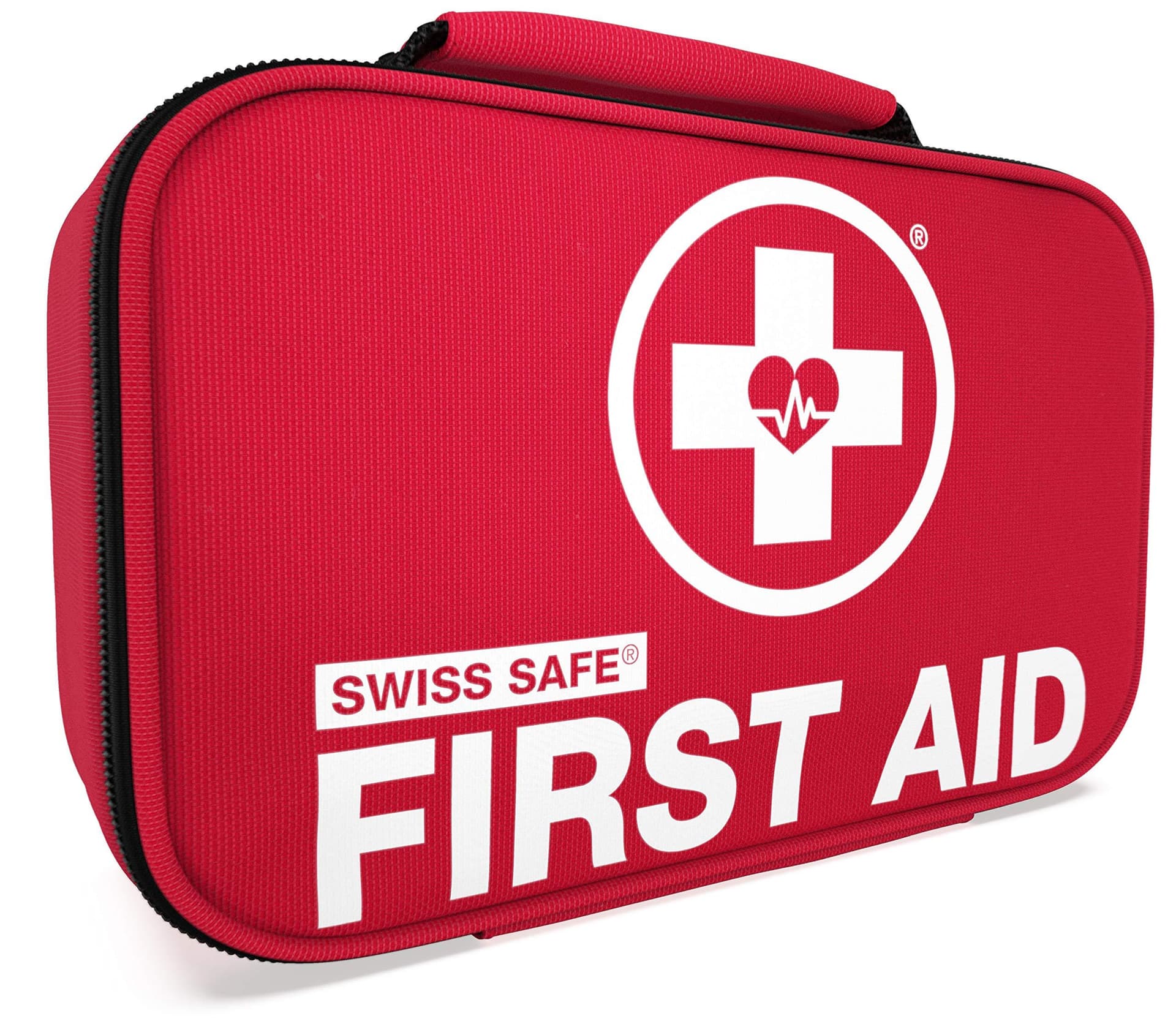
Swiss Safe 120-Piece product photo

General kit

Swiss Safe 120-Piece

4.5

~$28

General kit

Prepper take

Swiss Safe 120-Piece is strongest when general kit. Buy it if easy to duplicate across multiple kits without blowing the budget; skip it if no off-the-shelf kit replaces training or household-specific medications.

Strengths

  • General kit
  • Starter purchase

Weaknesses

  • no off-the-shelf kit replaces training or household-specific medications

Opportunities

  • easy to duplicate across multiple kits without blowing the budget
  • best when you customize it for your people, prescriptions, and vehicles

Threats

  • heat, moisture, and expired adhesives quietly degrade kits you never inspect
Check Price
Be Smart Get Prepared 326 Piece product photo

Bulk household kit

Be Smart Get Prepared 326 Piece

4.4

~$45

Bulk household kit

Prepper take

Be Smart Get Prepared 326 Piece is strongest when bulk household kit. Buy it if easy to duplicate across multiple kits without blowing the budget; skip it if no off-the-shelf kit replaces training or household-specific medications.

Strengths

  • Bulk household kit
  • Fill gaps faster

Weaknesses

  • no off-the-shelf kit replaces training or household-specific medications

Opportunities

  • easy to duplicate across multiple kits without blowing the budget
  • best when you customize it for your people, prescriptions, and vehicles

Threats

  • heat, moisture, and expired adhesives quietly degrade kits you never inspect
Check Price

This page is general safety and first-aid information, not medical advice, and it is not a substitute for professional care. Serious wounds, spreading infection, high fever, or severe dehydration need a clinician, and life-threatening emergencies mean 911. Large-scale mold or structural water damage should be assessed by a qualified remediation professional. As a reader-supported site, we may earn a commission if you buy through links on this page; this does not affect our recommendations.