
Water and food safety note

Water treatment, food storage, and preservation choices depend on source quality, storage conditions, allergies, health needs, and official local advisories. Verify labels, rotation dates, and public-health guidance.

Food Storage

No Gas, No Power, No Water for Cooking: The Earthquake No-Cook Pantry

No gas, no power, no water to cook after a quake. The no-cook staples that need none of it, plus how to secure shelves so the food survives.

Quick Answer

A quake can leave you with no gas to cook on, no power for the microwave, and no safe water to boil, all at once and with no warning. So the food plan that actually works is the one that needs none of them. Build a no-cook pantry: canned beans, chili, tuna, and fruit, peanut butter, crackers, nuts, granola and protein bars, shelf-stable meals you eat cold, and pouches that only need a splash of water. Stock a manual can opener, because the electric one is dead too. Then do the part everyone skips: secure the shelves. A pantry that dumps itself across the floor in the first ten seconds is not a pantry, it is a cleanup. Museum putty, shelf lips, and a couple of straps keep your food where you can reach it after the shaking stops.

Confidence: high

Key Points:

  • Assume no gas, no power, and no clean cooking water for at least 72 hours. Every staple has to work cold, straight from the container.
  • Core no-cook list: canned protein and beans, peanut butter, nuts, crackers, granola and protein bars, dried fruit, and no-cook pouches.
  • A manual can opener is the cheapest single point of failure to fix. Stage two, and keep one in the go-bag.
  • Secure the shelves: museum putty under jars, a lip or bungee across open shelves, and straps anchoring tall cabinets to studs.
  • Plan for zero cleanup water: paper plates, disposable utensils, and wet wipes mean meals do not cost you drinking water.
  • Confidence: high

Last updated: 2026-07-04

The No-Cook Pantry Mistakes a Quake Exposes

A quake breaks the assumptions most food storage quietly depends on: a stove, a working can opener, and shelves that stay put. These are the four that leave people hungry next to a full pantry.

A food supply that all needs cooking

Rice, dried beans, and pasta are cheap and store forever, but every one of them needs heat and clean water you may not have after a quake. A pantry built only on cook-first staples is locked behind a stove that no longer works.

Better approach: Keep at least three days of genuinely no-cook food that you eat cold: canned protein, nut butters, bars, crackers, and ready-to-eat pouches. Cook-first staples are great for later, not day one.

One can opener, and it is electric

A wall of canned food is useless if the only opener plugs into a dead outlet. This is the small failure that turns a stocked kitchen into a locked one.

Better approach: Buy two manual can openers. Keep one in the kitchen and one in the go-bag, and choose cans with pull tabs where you can. Test the opener before you file it away.

Storing the food but never securing the shelf

In a strong quake, unsecured cabinets and open shelves empty onto the floor in seconds. Glass jars shatter, cans roll under the fridge, and your three-week supply becomes a hazard you have to shovel.

Better approach: Museum putty under jars and bottles, a lip or bungee across open shelving, and L-brackets or straps anchoring tall units to wall studs. A few dollars keeps the pantry standing.

Forgetting you need water to eat, not just cook

Even no-cook meals create dishes and dirty hands, and people burn precious drinking water washing up. Rehydrating a pouch also spends water you were counting on to drink.

Better approach: Stock paper plates, plastic utensils, and wet wipes so meals cost zero cleanup water, and favor foods that need no water at all. Count any water a pouch needs against your storage total.

What We Like

  • A no-cook pantry works when everything else is downNo stove, no power, no clean water needed. It is the one food plan a quake cannot switch off.
  • You already eat most of itCanned chili, peanut butter, tuna, crackers, and bars rotate through normal meals, so nothing expires forgotten.
  • Cheap to build from a normal grocery runNo specialty gear. A few extra cans and jars per shopping trip stacks a supply over a month.

What Could Be Better

  • Cold canned meals get old fastThree days of eating cold beans and tuna is fine; three weeks wears on morale, so variety matters more than it seems.
  • Shorter shelf life than long-term staplesCanned goods run a few years, not decades, so you have to date and rotate rather than store and forget.
  • Securing shelves is work people skipThe putty and straps only help if you actually install them, and that hour is the difference between a pantry and a pile.

No-Cook Pantry Questions, Answered Straight

Done-for-you: a no-cook supply already packed

If you would rather not assemble weeks of no-cook food can by can, My Patriot Supply's emergency food kits ship ready to store, with pouches and meals built for exactly this: no stove, minimal water, long shelf life. Buy the base kit, then store it low and secured like the guide above and add your own no-cook favorites.

See the emergency food kits

We may earn a commission if you buy through our link. This does not affect our recommendations.

Top food-storage products from the 2026 report

Reader-supported recommendations

PrepperDirect may earn a commission when you buy through links on this site. Recommendations are independent and framed around readiness fit, tradeoffs, and practical use.

4Patriots 72-Hour Emergency Survival Food Kit product photo

Short-duration calories plus convenience

4Patriots 72-Hour Emergency Survival Food Kit

Editor's Choice
4.9

$29.95

Short-duration calories plus convenience

Prepper take

4Patriots 72-Hour Emergency Survival Food Kit is strongest when short-duration calories plus convenience. Buy it if easy to duplicate across multiple kits without blowing the budget; skip it if too short to count as a serious home food plan by itself.

Strengths

  • Short-duration calories plus convenience
  • Low-cost starter kit or gift

Weaknesses

  • too short to count as a serious home food plan by itself

Opportunities

  • easy to duplicate across multiple kits without blowing the budget
  • works as a convenience layer while you build real calorie depth

Threats

  • buyers often mistake a small kit for complete preparedness
Check Price
4Patriots 3-Month Emergency Survival Food Kit product photo

Long-duration food bucket system

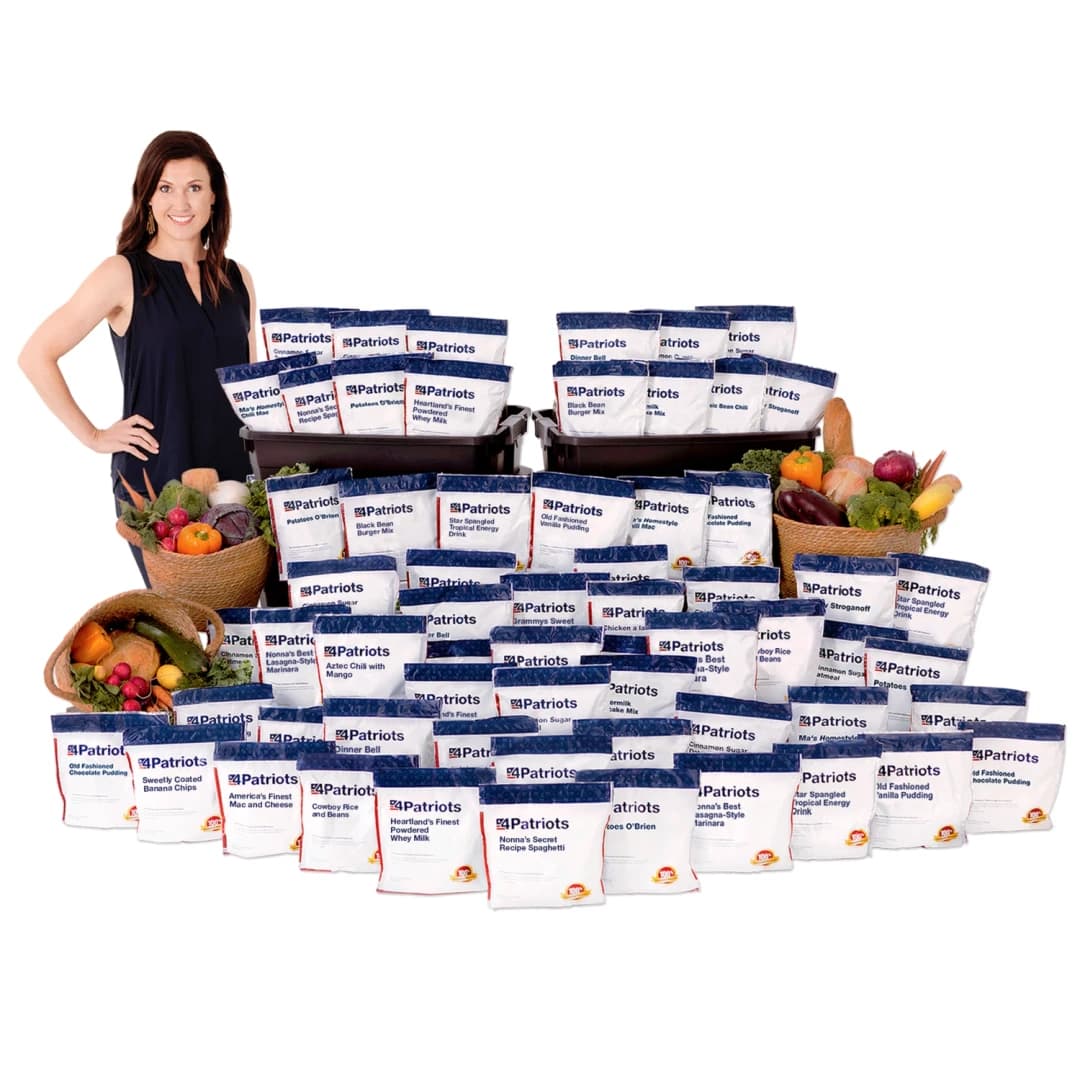
4Patriots 3-Month Emergency Survival Food Kit

Best Value
4.8

See product page

Long-duration food bucket system

Prepper take

4Patriots 3-Month Emergency Survival Food Kit is strongest when long-duration food bucket system. Buy it if good anchor for family planning when you want one decisive purchase; skip it if higher upfront spend and less flexibility than a custom pantry.

Strengths

  • Long-duration food bucket system
  • Family planning anchor

Weaknesses

  • higher upfront spend and less flexibility than a custom pantry

Opportunities

  • good anchor for family planning when you want one decisive purchase

Threats

  • water, fuel, and taste fatigue become the real bottlenecks, not shelf life
Check Price

Disclaimer: This content is for informational purposes only. We make no guarantees about the accuracy or completeness of any recommendations.

Affiliate Disclosure: PrepperDirect participates in affiliate programs. If you buy through our links, we may earn a commission at no extra cost to you. We only recommend products we believe in.