Communications and privacy note

Radio, satellite, and emergency communication tools may require licensing, subscriptions, or local rule checks. Keep private contact details offline and share only with trusted household members.

Communications

When the Fire Is Close and the Cell Bars Drop: Staying Informed to Evacuate

Fire can knock out cell towers before the order comes. County alert signups, NOAA weather radio, a paper family comms plan, and backup power.

Quick Answer

Set up more than one way to get the evacuation order, because the fire can take out the one you rely on. Six large fires are burning across Colorado now, with Red Flag Warnings up in western Colorado and eastern Utah, and wildfire routinely knocks down cell towers, cuts power to the ones left, or gets buried under a Public Safety Power Shutoff right when the order is issued. Do three things today. Sign up for your county's emergency alert system so an order reaches your phone directly. Get a crank or solar NOAA weather radio that receives official alerts with no cell, no internet, and no grid. And write a one-page family comms plan with contacts and two meeting points, because when the power is out and the towers are down, paper is the only network that still works.

Confidence: high

Key Points:

  • Sign up for your county's alert system now. That is how a mandatory evacuation order reaches your phone.
  • A crank or solar NOAA weather radio receives official alerts with no cell, no internet, and no grid.
  • Local AM/FM stations broadcast evacuation info during a fire, which is why emergency radios include those bands.
  • Texts beat calls when towers are congested; they queue and deliver through windows a voice call cannot survive.
  • Write the family comms plan on paper: contacts, an out-of-area contact, and two meeting points. Phones die; the card does not.
  • Confidence: high

Last updated: 2026-07-04

Comms Assumptions That Fail When Fire Is Close

Communications failures are planning failures with a delay. Near a wildfire the delay is short. These are the standard four.

Assuming the evacuation order will just reach your phone

Wireless emergency alerts help, but they can miss you if the local tower is down, the shutoff killed it, or you are in a dead zone. People assume the warning is automatic and never sign up for the county system that actually sends it.

Better approach: Enroll in your county or city emergency notification system today, and keep wireless emergency alerts turned on in your phone settings. Belt and suspenders, because the order only helps if it arrives.

Only having the cell network

Fire damages towers and the power feeding them, and a Public Safety Power Shutoff can dark an area's cells on purpose. One dead tower can take out your only source of information.

Better approach: Add layers that do not need the grid: a NOAA weather radio for official alerts, local AM/FM for evacuation news, and a written plan for when the phone is a paperweight.

No out-of-area contact and no meeting point

When local lines jam, families cannot reach each other, and everyone tries to call at once. With no agreed rendezvous, people drive back toward the fire looking for each other.

Better approach: Pick one out-of-area relative or friend everyone texts to relay status, and set two meeting points, one nearby and one out of the area, decided now and written down.

A radio and phones with dead batteries

The emergency radio that sat in a drawer for two years and the power bank nobody charged are both coin flips when the fire arrives.

Better approach: Buy crank-plus-solar radios, keep a charged power bank per person, and put battery checks on the same reminder as smoke-alarm batteries so the gear is ready when it counts.

Wildfire Alert and Comms Questions, Answered Straight

The hardware layer: radios and power in one stop

Crank-and-solar NOAA weather radios and power banks live in the solar generator collection, alongside the panels and stations that keep phones and radios charged through a multi-day shutoff. If you would rather not piece it together, it is one order. Holiday-week pricing is live as of July 4, 2026.

See crank radios and power banks

We may earn a commission if you buy through our link. This does not affect our recommendations.

Top communications products from the 2026 report

Reader-supported recommendations

PrepperDirect may earn a commission when you buy through links on this site. Recommendations are independent and framed around readiness fit, tradeoffs, and practical use.

Rocky Talkie 5 Watt GMRS product photo

Short-to-mid range durable two-way comms

Rocky Talkie 5 Watt GMRS

Editor's Choice
4.9

Price varies

Short-to-mid range durable two-way comms

Prepper take

Rocky Talkie 5 Watt GMRS is strongest when short-to-mid range durable two-way comms. Buy it if excellent for family convoys, property work, and neighborhood coordination; skip it if range depends heavily on terrain, setup, and expectations.

Strengths

  • Short-to-mid range durable two-way comms
  • Emergency comms in local area

Weaknesses

  • range depends heavily on terrain, setup, and expectations

Opportunities

  • excellent for family convoys, property work, and neighborhood coordination

Threats

  • dead batteries or poor radio discipline make range claims meaningless
Check Price
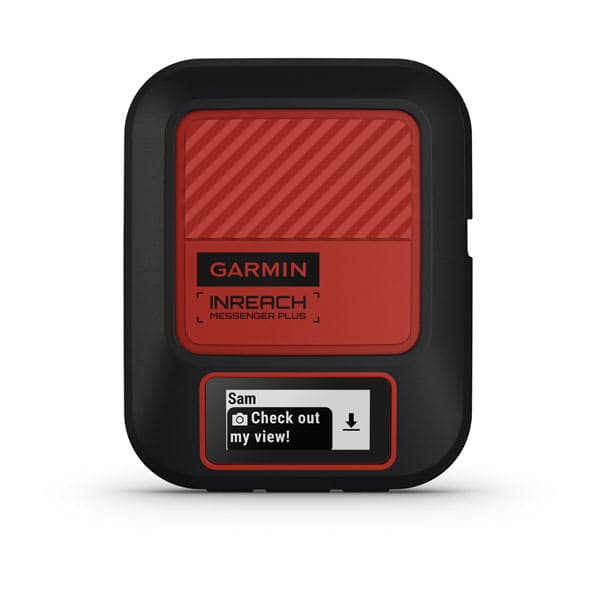
Garmin inReach Messenger Plus product photo

Two-way satellite messaging plus SOS

Garmin inReach Messenger Plus

Best Value
4.8

Price varies

Two-way satellite messaging plus SOS

Prepper take

Garmin inReach Messenger Plus is strongest when two-way satellite messaging plus SOS. Buy it if strong fit for travel, remote work, and evacuation routes outside coverage; skip it if subscription cost and device management never fully disappear.

Strengths

  • Two-way satellite messaging plus SOS
  • Works beyond cell coverage

Weaknesses

  • subscription cost and device management never fully disappear

Opportunities

  • strong fit for travel, remote work, and evacuation routes outside coverage

Threats

  • sky view, charging discipline, and message delays still matter
Check Price
ZOLEO Satellite Communicator product photo

Two-way satellite messaging

ZOLEO Satellite Communicator

Most Popular
4.7

~$150

Two-way satellite messaging

Prepper take

ZOLEO Satellite Communicator is strongest when two-way satellite messaging. Buy it if strong fit for travel, remote work, and evacuation routes outside coverage; skip it if subscription cost and device management never fully disappear.

Strengths

  • Two-way satellite messaging
  • Value alternative

Weaknesses

  • subscription cost and device management never fully disappear

Opportunities

  • strong fit for travel, remote work, and evacuation routes outside coverage

Threats

  • sky view, charging discipline, and message delays still matter
Check Price
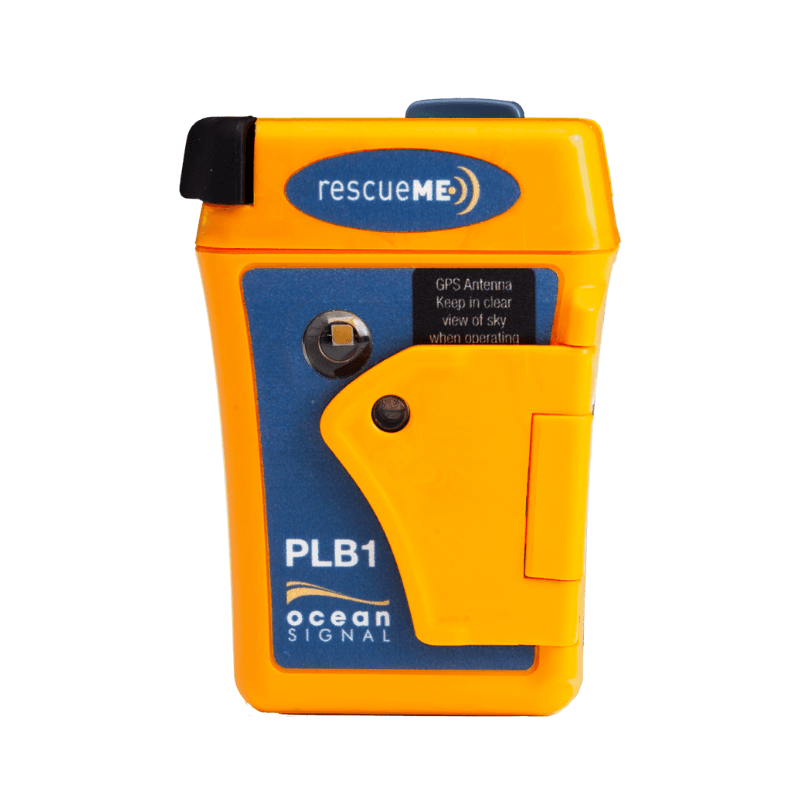
Ocean Signal rescueME PLB1 product photo

One-way emergency SOS beacon

Ocean Signal rescueME PLB1

4.6

Price varies

One-way emergency SOS beacon

Prepper take

Ocean Signal rescueME PLB1 is strongest when one-way emergency SOS beacon. Buy it if best as a final rescue layer under a broader comms plan; skip it if not built for routine check-ins or coordination.

Strengths

  • One-way emergency SOS beacon
  • No subscription for basic SOS

Weaknesses

  • not built for routine check-ins or coordination

Opportunities

  • best as a final rescue layer under a broader comms plan

Threats

  • registration, battery life, and false expectations are the main failure points
Check Price

Disclaimer: This content is for informational purposes only. We make no guarantees about the accuracy or completeness of any recommendations.

Affiliate Disclosure: PrepperDirect participates in affiliate programs. If you buy through our links, we may earn a commission at no extra cost to you. We only recommend products we believe in.